Make the first impression fit the Wilmington property
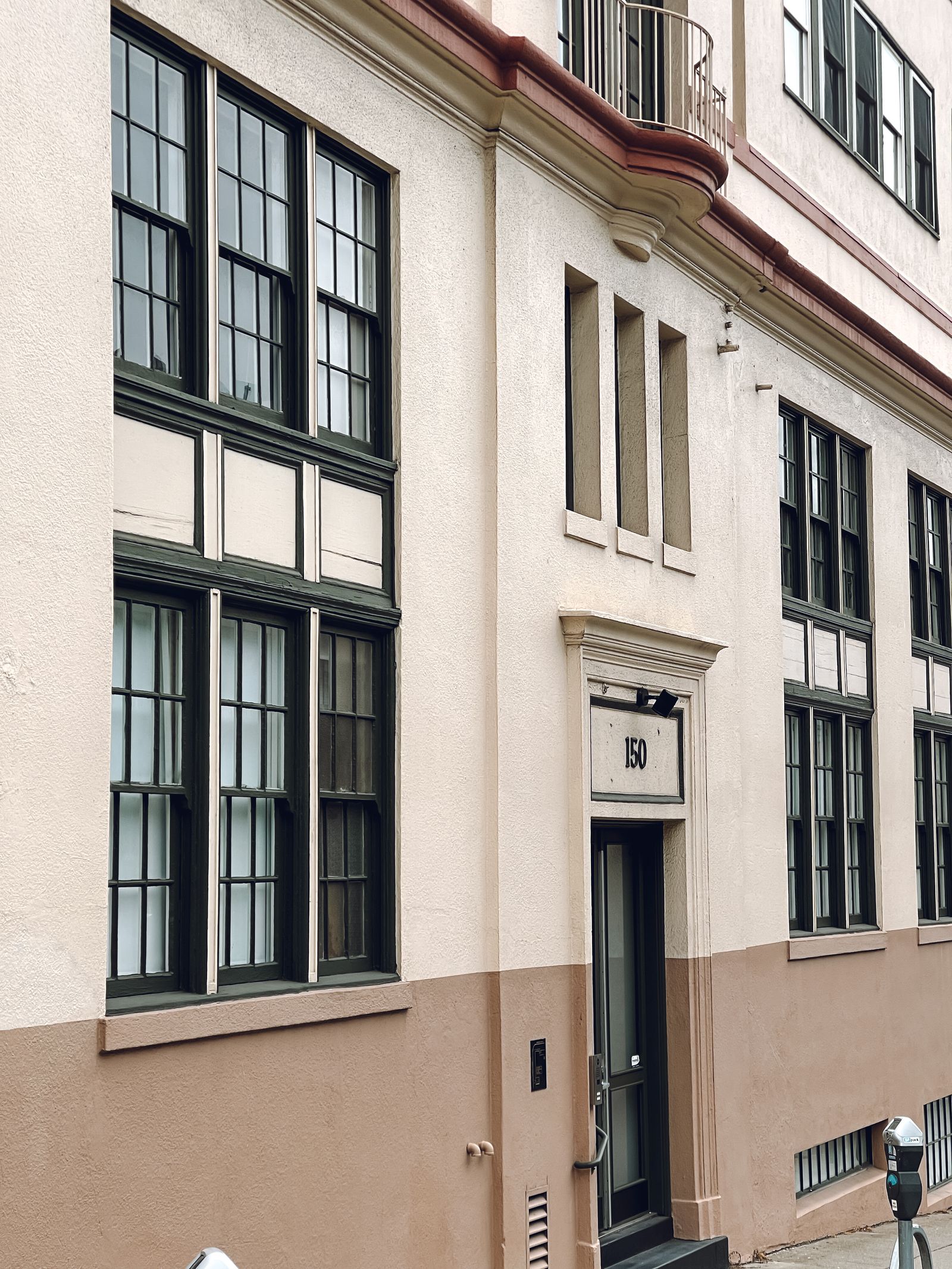
A commercial exterior is part of the arrival experience for employees, patients, shoppers, diners, tenants, visitors, and delivery teams. A dark north-facing wall downtown, pollen on an office entrance, bird residue beneath a canopy, or winter splash along a retail curb can make a maintained property look neglected. The useful starting point is not a generic pressure setting. It is identifying which elevations and traffic zones matter, what the deposit appears to be, and which materials are present.
Wilmington properties may combine older brick and mortar with precast concrete, glass, painted metal, stone, stucco, EIFS, sealants, awnings, signs, and newer repairs. Soft washing may suit compatible organic growth, mildew-like staining, pollen, bird residue, and atmospheric film when chemistry, dwell time, pressure, rinsing, and protection fit the surface. It does not repair failed joints, loose masonry, leaking roof edges, oxidation, efflorescence, damaged coatings, or a drainage defect. A useful quote identifies likely soil, included elevations, test-area expectations, limitations, and exclusions before work begins.
- Separate brick, mortar, concrete, glass, metal, stone, stucco, EIFS, coated, and repaired areas.
- Distinguish organic film from minerals, salt, oxidation, soot, efflorescence, and drainage streaks.
- Use a representative test area when finish history or stain cause is uncertain.
- Keep facade repair, restoration, coating removal, and glass polishing outside a routine wash scope.
Sequence occupied sites from downtown to Concord Pike
Downtown Wilmington around Market Street, Rodney Square, the riverfront, and nearby office or mixed-use blocks can involve pedestrians, curb parking, restaurants, deliveries, events, compact staging areas, and several entrances close together. Trolley Square properties may add neighborhood foot traffic, cafes, retail doors, landscaping, and narrow access. A Concord Pike or North Wilmington retail property may need a plan around shared parking, drive aisles, tenant openings, customer drop-off, monument signs, delivery activity, and multiple storefronts. The right schedule is part of the cleaning scope.
Medical and office properties near the I-95 corridor may require patient drop-off protection, accessible paths, air-intake review, quiet periods, security contact, and clear separation from people entering the building. Industrial properties near the port, rail, Route 13, or other freight corridors may instead revolve around docks, trailers, shift changes, gates, forklifts, and production access. These are planning contexts, not assumptions about contracts or ownership. A proposal should name the contact, work windows, staging assumptions, public separation, and sequence so the property stays usable while work is underway.
Plan around humid weather, storms, and winter salt
Wilmington's humid Mid-Atlantic weather gives moisture more opportunities to linger on shaded walls, under roof edges, beside landscaping, and near poorly draining pavement. Spring pollen can settle on ledges, signs, storefronts, and entry walks. Summer heat changes surface temperature, evaporation, dwell time, worker exposure, and plant-protection needs. Wind-driven rain and thunderstorms can move debris and treated water in unexpected directions. Winter brings freeze-thaw cycles, deicing salt, slush, and splash at entrances and parking edges. A dirty-looking mark may be organic, but it may also be salt, mineral scale, rust, soot, or a building-envelope issue.
Weather belongs in the method and calendar. Review temperature, wind, rain probability, lightning, surface moisture, and drying time before setup. A sunny metal panel and a shaded brick wall should not automatically receive the same timing. Downspout discharge, parapet overflow, clogged gutters, irrigation, or failed sealant can recreate streaks after cleaning. The scope should identify pause triggers and explain what may remain when a condition is not removable organic film.
- Review shaded walls, roof edges, gutters, downspouts, landscaping, and irrigation for repeat moisture.
- Plan around heat, humidity, rain, lightning, wind, surface moisture, and drying conditions.
- Identify storm debris, winter salt, mineral scale, oxidation, and drainage defects that cleaning alone will not correct.
- Agree on weather pauses and rescheduling before hoses, barriers, or access equipment are set up.
Protect masonry, people, equipment, and drainage
Before application, map doors, accessible routes, sidewalks, parking aisles, loading zones, air intakes, cameras, electrical equipment, landscaping, outdoor seating, vehicles, and neighboring property. Downtown and Trolley Square sites can move pedestrians across a work zone quickly. Retail sites can fill with vehicles after setup. Medical, office, and industrial sites may have security, deliveries, or emergency access that cannot be blocked. The field plan should identify water access, hose routing, barriers, spotters, plant protection, emergency paths, and the person authorized to stop work.
Drainage deserves the same care as the facade. Wilmington properties may drain toward curb inlets, grass, low parking bays, swales, pavement joints, or connected stormwater features. A drain beside a wall is not automatic permission for treated water, sediment, or concentrated residue to enter it. Depending on the site, controls may include diversion, collection, recovery, filtration, reduced rinse volume, plant protection, disposal, or coordination with the responsible authority. The proposal should state runoff assumptions and response steps if actual flow differs from the site review.
- Locate drains, low points, landscaping, doors, air intakes, vehicles, and public routes.
- Confirm water access, hose routing, barriers, spotters, and emergency access before setup.
- Document runoff assumptions and stop conditions for unexpected flow, pedestrians, vehicles, or weather.
- Record remaining mineral, oxidation, repair, coating, salt, or drainage-related conditions.
Request a Wilmington quote tied to the result
A practical commercial cleaning quote should be usable by a property manager, facilities director, owner, or general manager. Share the address, building type, approximate height, photos of problem areas, preferred work windows, water access, tenant or visitor constraints, and the result you need. Ask the provider to identify surfaces, likely soils, proposed access method, test-area expectations, included elevations, protection, drainage assumptions, weather triggers, exclusions, and what happens if a stain is actually a repair or restoration issue.
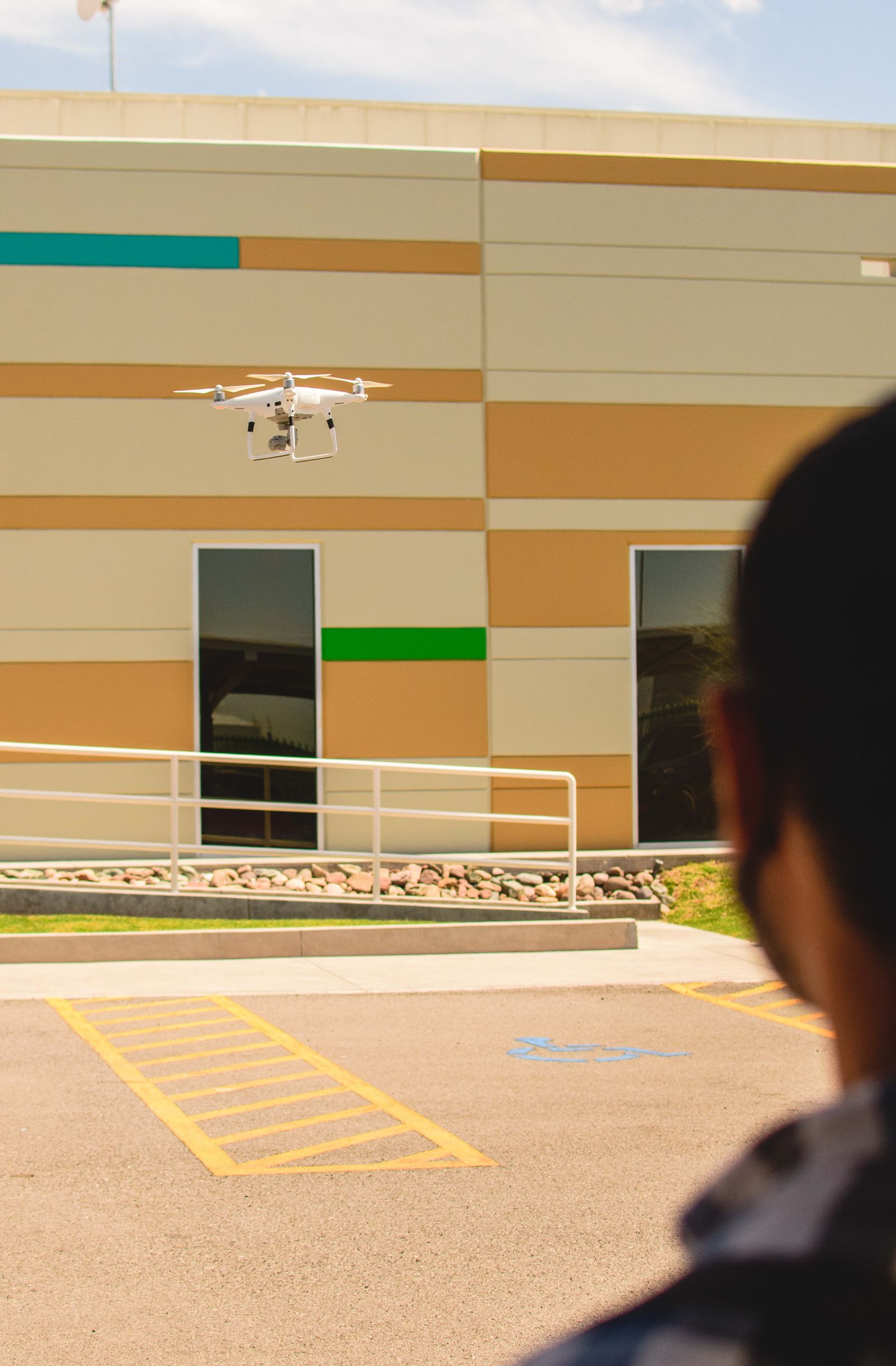
Drone Building Cleaners can discuss offices, healthcare facilities, schools, retail centers, hospitality properties, mixed-use buildings, and industrial sites in Wilmington and nearby New Castle County communities. Call +1 239-351-2897 or email contact@dronebuildingcleaners.com to get in touch and request a quote. The first conversation should be about your building's condition and operating day, so the next step is a useful site-specific scope rather than a preset package.